
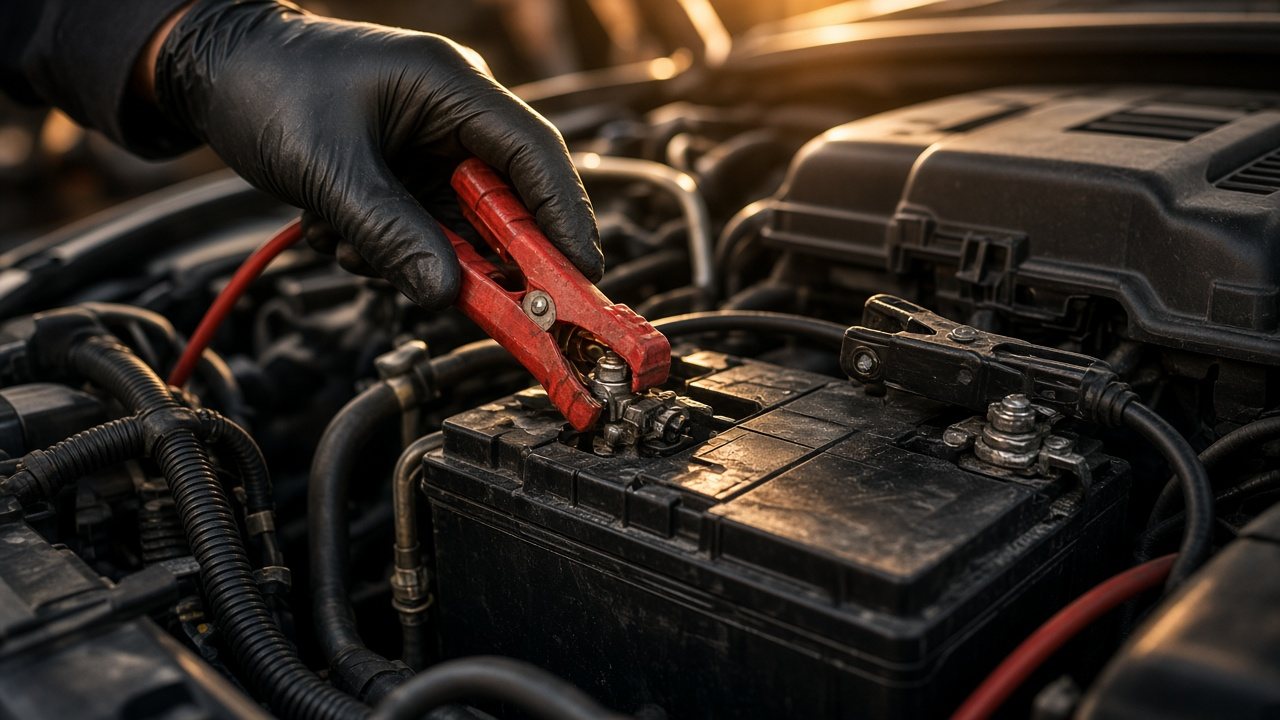
Don't wait for your battery to die completely! Recognizing these 10 warning signs can save you from being stranded and help you plan for a replacement at the right time.
1. Slow Engine Crank

The most common sign of a failing battery is a sluggish engine crank. When you turn the key, the engine takes longer than usual to start. Instead of the normal quick "vroom," you hear a labored "rr-rr-rr-rr" sound. This indicates the battery doesn't have enough power to turn the starter motor at full speed.
What to do: Have your battery tested immediately. A slow crank in cold weather is especially concerning.
2. Dimming Headlights or Interior Lights
When idling at traffic lights, notice if your headlights or dashboard lights dim. This suggests the battery is struggling to maintain voltage. Modern cars rely heavily on electrical systems, and a weak battery will show its strain through dimming lights, especially when multiple accessories are running simultaneously (AC, radio, heated seats).
3. Clicking Sound When Turning the Key
A rapid clicking noise when you try to start the car indicates the battery has some charge but not enough to engage the starter motor. The clicking is the starter solenoid trying to engage repeatedly but failing due to insufficient power. This often means the battery is nearly dead.
4. Electrical Issues and Malfunctions
Watch for these electrical warning signs:
- Power windows operating slower than usual
- Radio losing presets or clock resetting
- Dashboard warning lights flickering
- Power seats moving sluggishly
- Automatic wipers responding inconsistently
5. Battery Warning Light on Dashboard
The battery-shaped warning light (sometimes looks like a battery symbol) indicates a charging system problem. While this could mean alternator issues, it often points to a battery that's no longer holding a charge. Don't ignore this light - it's your car's way of telling you there's a problem that needs immediate attention.
6. Swollen or Bloated Battery Case
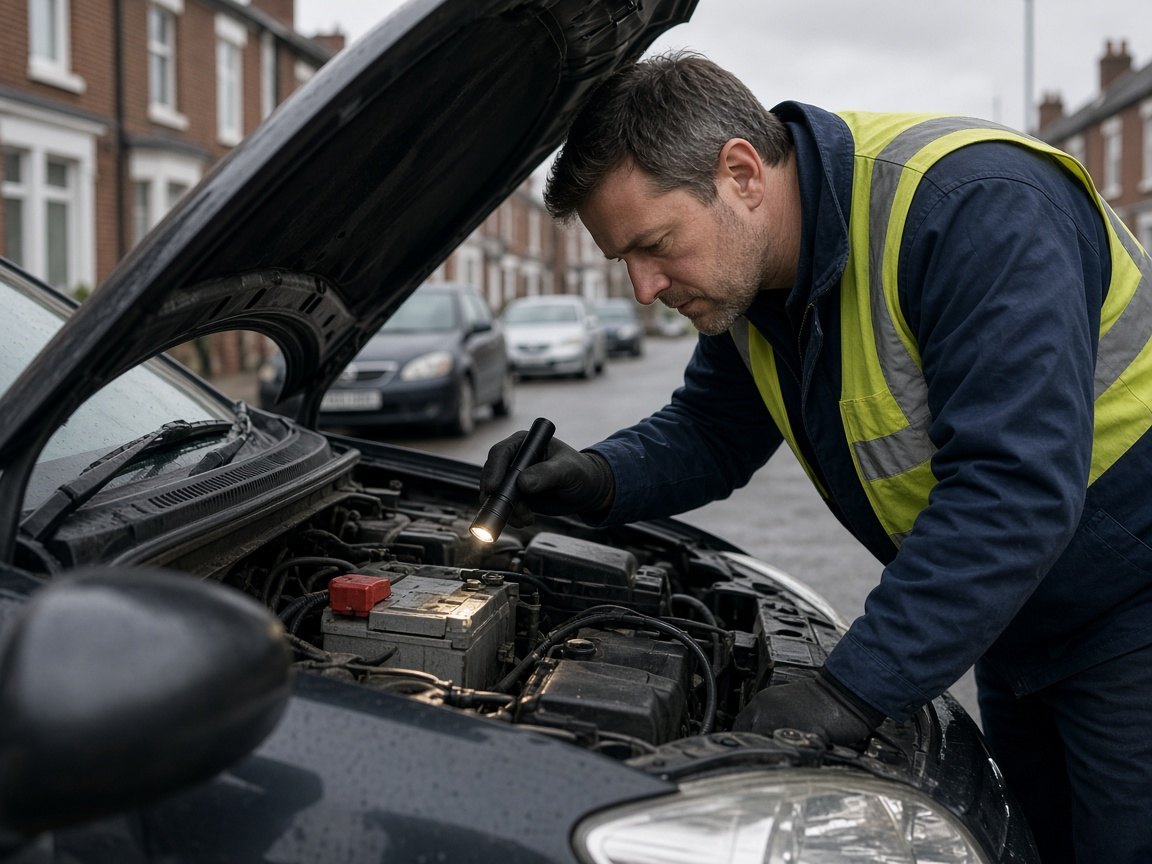
A healthy battery case should be flat. If you notice swelling or bloating, it's a sign of excessive heat exposure or overcharging. This physical damage compromises the battery's ability to hold a charge and is a clear indicator that replacement is needed immediately - a swollen battery can be dangerous.
⚠️ Safety Alert: A swollen battery should be replaced immediately. Do not attempt to jump start it.
7. Battery Age (3-5 Years Old)
Even without obvious symptoms, battery age matters. Most car batteries last 3-5 years. Check the date code on your battery (usually stamped on the case). If your battery is approaching or past the 4-year mark, start planning for replacement, especially before winter when cold temperatures put extra strain on batteries.
8. Corroded Battery Terminals
White, ashy deposits around the battery terminals indicate corrosion caused by battery acid leakage. While minor corrosion can be cleaned, excessive buildup suggests the battery is deteriorating internally. Corrosion also impedes electrical flow, compounding starting problems.
9. Strange Smell (Rotten Eggs)
A sulfuric or rotten egg smell near the battery indicates a leak. Battery acid is dangerous and this smell means the battery is venting gases or leaking electrolyte. This is a serious safety hazard requiring immediate professional attention. Never attempt to jump start a leaking battery.
10. Multiple Jump Starts Needed
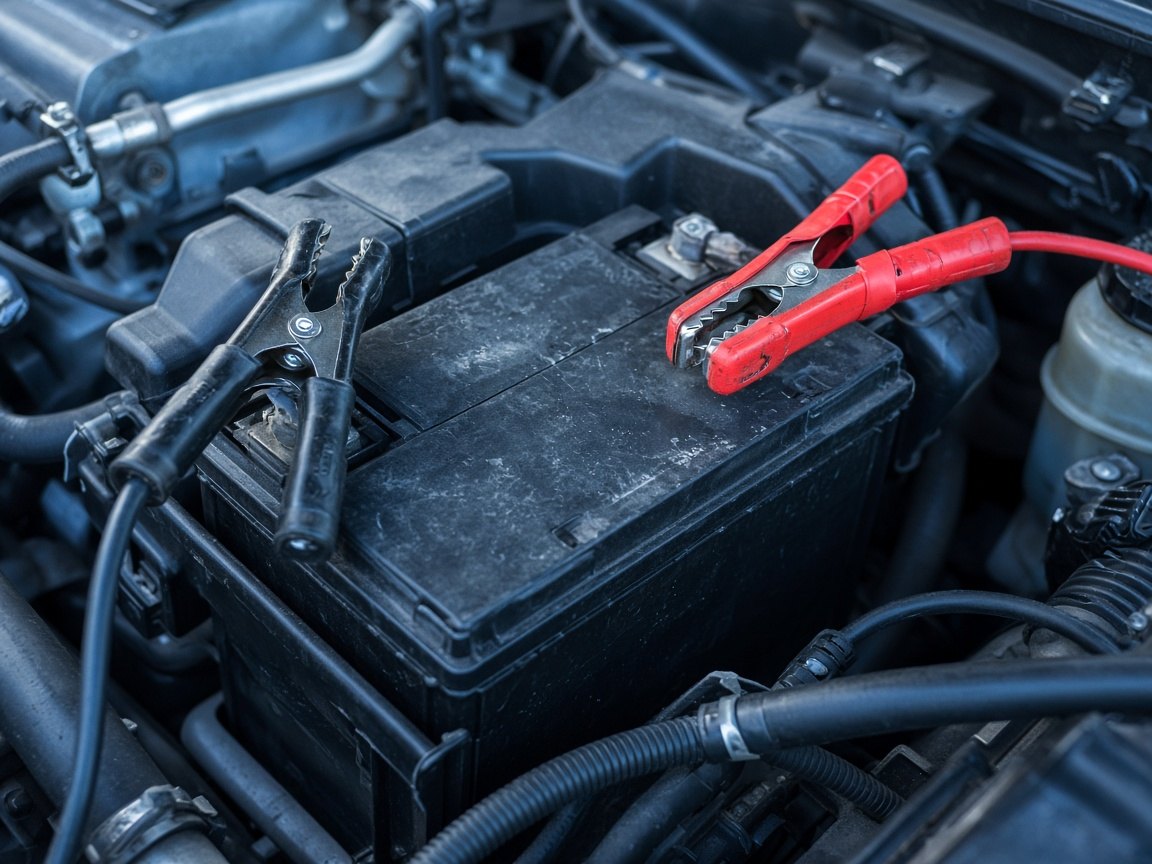
If you find yourself needing jump starts repeatedly (weekly or even monthly), your battery can no longer hold a charge. While one jump start might be due to accidentally leaving lights on, repeated issues indicate the battery has reached the end of its life.
What Causes Batteries to Die?
- Age: Natural chemical degradation over 3-5 years
- Extreme temperatures: Both hot summers and cold winters accelerate aging
- Short trips: Not enough time to fully recharge
- Parasitic drain: Electrical accessories drawing power when car is off
- Alternator problems: Failing to properly charge the battery
- Corrosion: Reducing electrical conductivity
How to Test Your Battery
- Visual inspection: Check for corrosion, swelling, or leaks
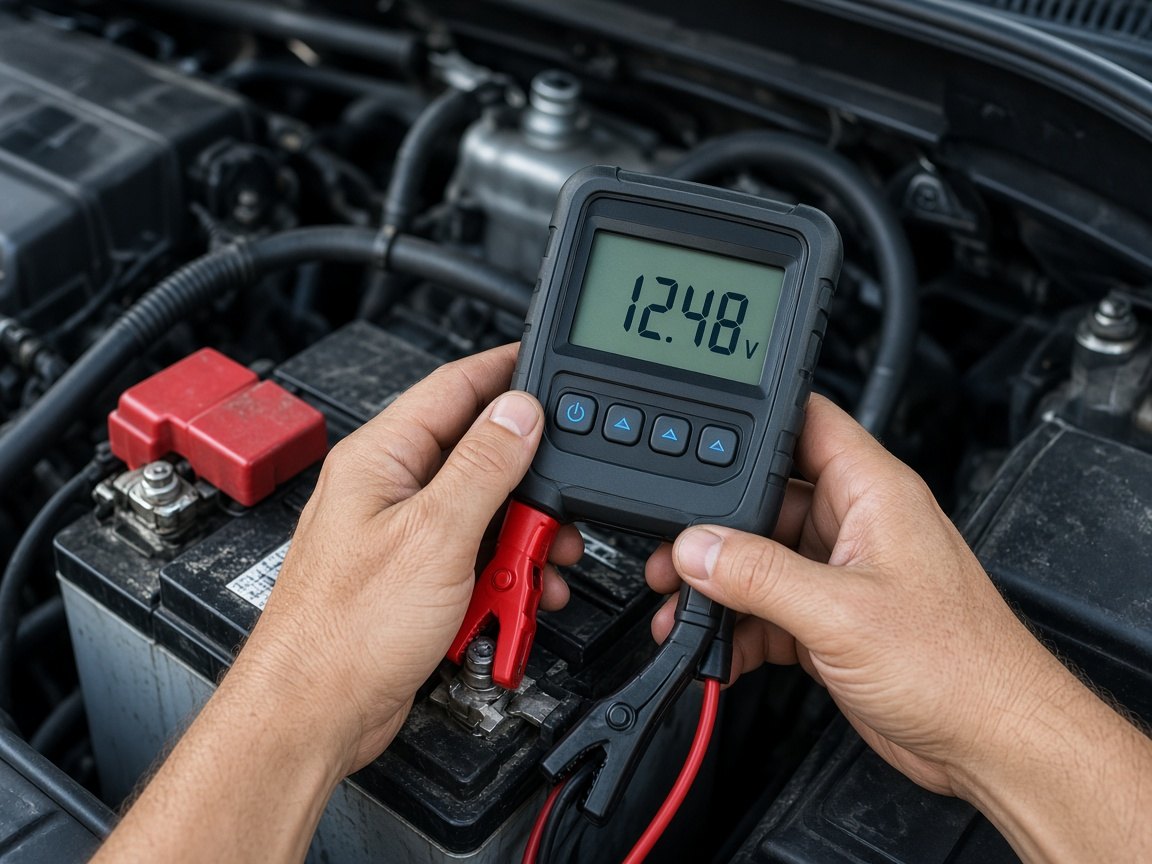
- Voltage test: Use a multimeter (should read 12.4-12.7V when off)
- Load test: Have a professional test under load conditions
- Alternator test: Ensure it's charging properly (13.8-14.4V while running)
Prevention Tips
- Drive regularly (at least 20 minutes per week)
- Turn off all accessories before turning off engine
- Keep terminals clean and tight
- Park in garage during extreme weather
- Have battery tested annually after 3 years
- Use a battery maintainer if storing vehicle long-term
Battery Problems? We Can Help
Whether you need an emergency jump start or battery testing, our professional service is available 24/7 across London and the UK. Don't wait until you're stranded!