
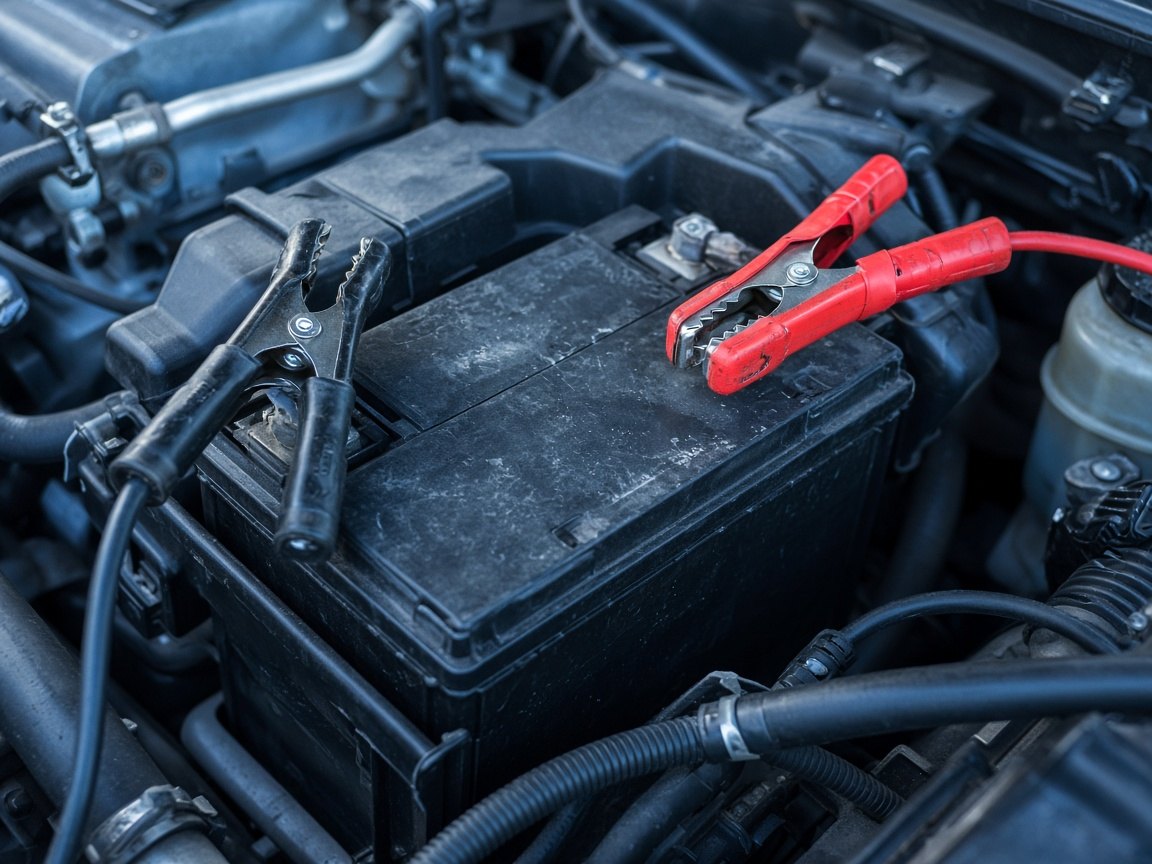
Understanding your car battery's lifespan helps you plan replacements and avoid unexpected breakdowns. This comprehensive guide covers everything about battery longevity in UK conditions.
Quick Answer
In the UK, most car batteries last 3-5 years on average. However, this varies significantly based on:
- Battery quality and type
- Driving habits and patterns
- Climate and weather conditions
- Vehicle maintenance
- Electrical system health
Battery Lifespan by Type
| Battery Type | Average Lifespan | Cost Range |
|---|---|---|
| Standard Lead-Acid | 3-5 years | £60-100 |
| Enhanced Flooded (EFB) | 4-6 years | £80-140 |
| AGM (Absorbent Glass Mat) | 5-7 years | £120-250 |
| Lithium-Ion (EVs) | 8-15 years | £3,000-8,000 |
| Budget/Economy | 2-3 years | £40-70 |
Factors That Affect Battery Life
1. Climate and Temperature
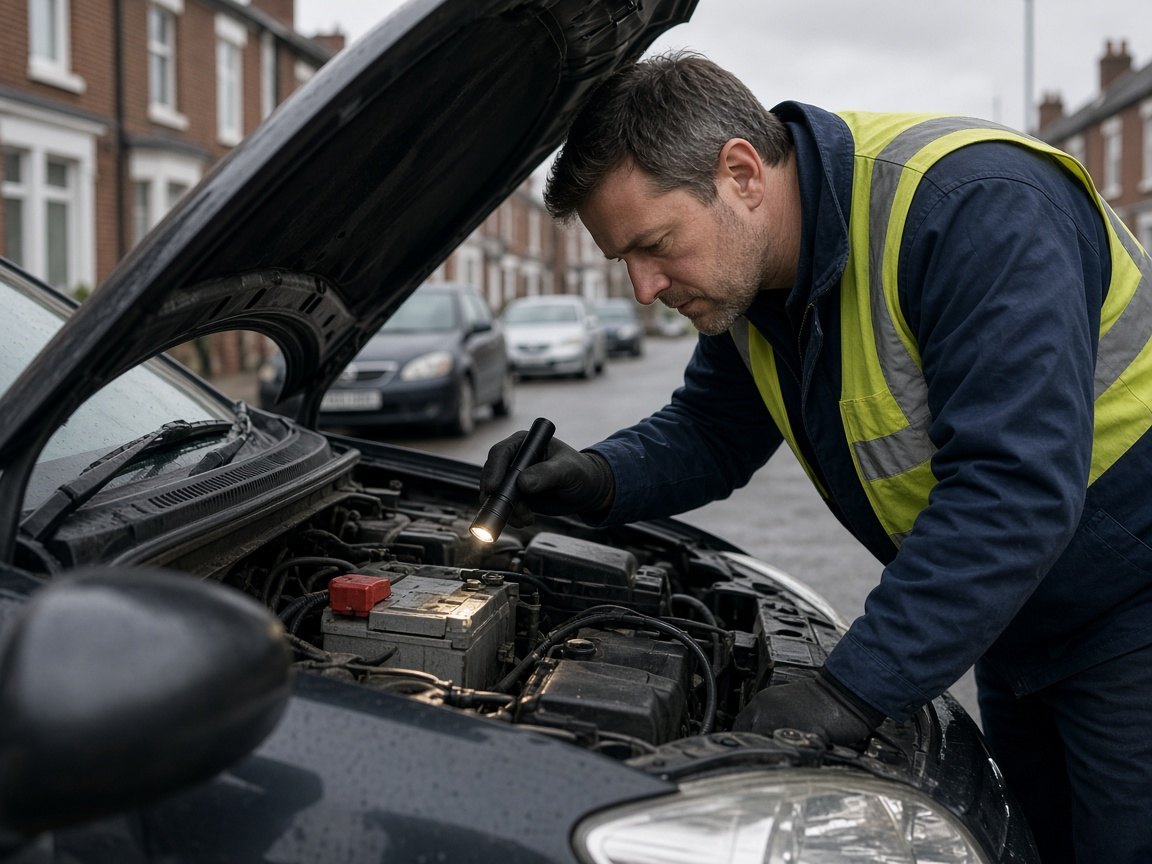
Why it matters: Temperature extremes accelerate chemical reactions inside batteries.
- Cold weather (below 0°C): Reduces battery capacity by up to 50%. Starting requires more power in cold conditions.
- Hot weather (above 30°C): Increases evaporation of battery fluid and accelerates internal corrosion.
- UK climate advantage: Moderate temperatures generally extend battery life compared to extreme climates.
- Winter impact: Most battery failures occur in winter when cold weather exposes weak batteries.
2. Driving Habits
Impact on battery life:
✅ Good for Battery Life
- Regular driving (20+ min trips)
- Highway/motorway driving
- Minimal accessory use when idling
- Turning off electronics before stopping engine
❌ Bad for Battery Life
- Short trips (under 10 minutes)
- Frequent stops (urban delivery driving)
- Extended idling with accessories on
- Leaving lights/radio on when parked
3. Vehicle Usage Patterns
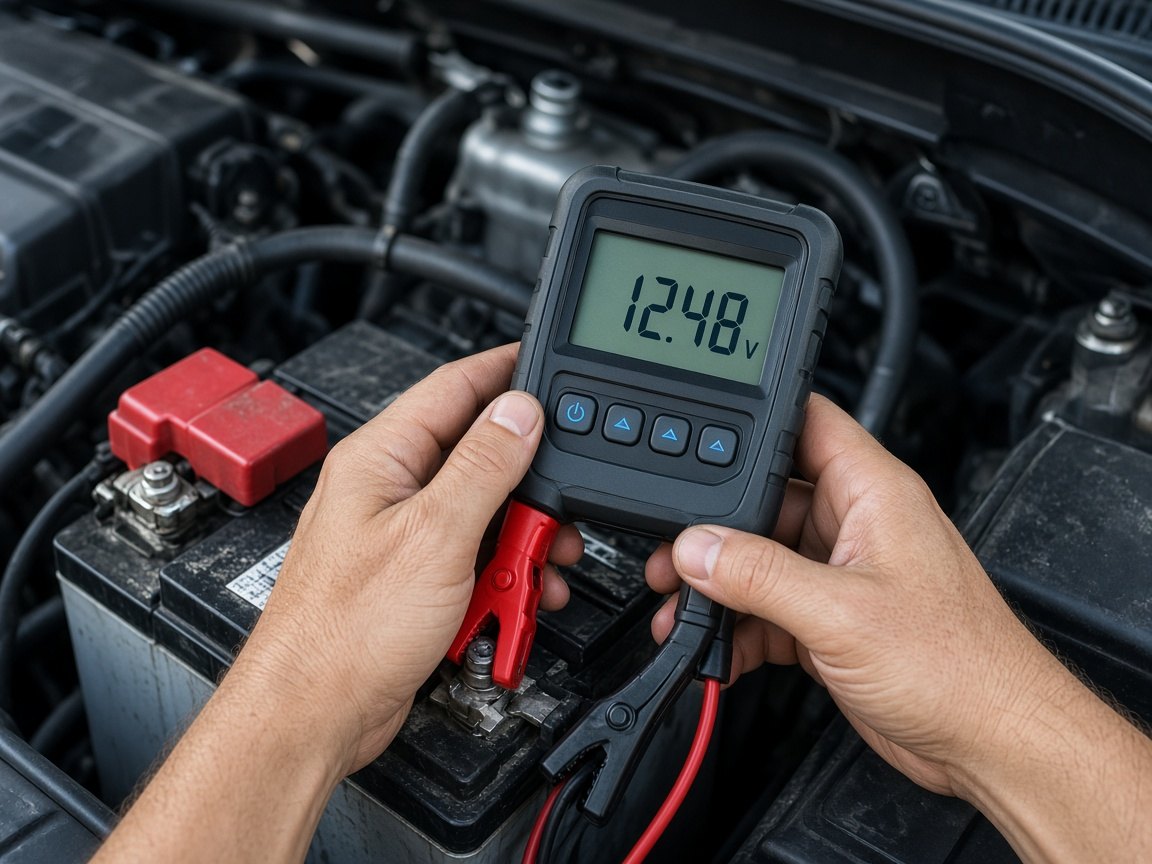
Expected Battery Life by Usage:
- Daily commuter (30+ miles/day): 4-5 years - regular charging keeps battery healthy
- Weekend driver (occasional use): 2-3 years - insufficient charging, battery self-discharges
- Business/fleet vehicle (high mileage): 3-4 years - frequent starts wear battery
- Stored/seasonal vehicle: 1-2 years without maintainer - self-discharge and sulfation
- Taxi/ride-share (start-stop): 2-3 years - constant electrical demand
4. Electrical System Health
Your car's charging system directly impacts battery longevity:
- Healthy alternator: Maintains proper charge (13.8-14.4V while running)
- Weak alternator: Undercharges battery, reduces lifespan by 50%
- Overcharging alternator: Causes battery fluid evaporation and damage
- Parasitic drain: Faulty electronics slowly drain battery when parked
- Corroded connections: Impede charging and starting
5. Battery Quality and Brand
Premium Brands (Bosch, Varta, Yuasa):
- 4-5+ year lifespan
- Better warranty (3-5 years)
- Higher cold cranking amps
- Cost: £80-200
Budget Brands:
- 2-3 year lifespan
- Limited warranty (1-2 years)
- Lower performance in cold
- Cost: £40-80
How to Check Your Battery's Age
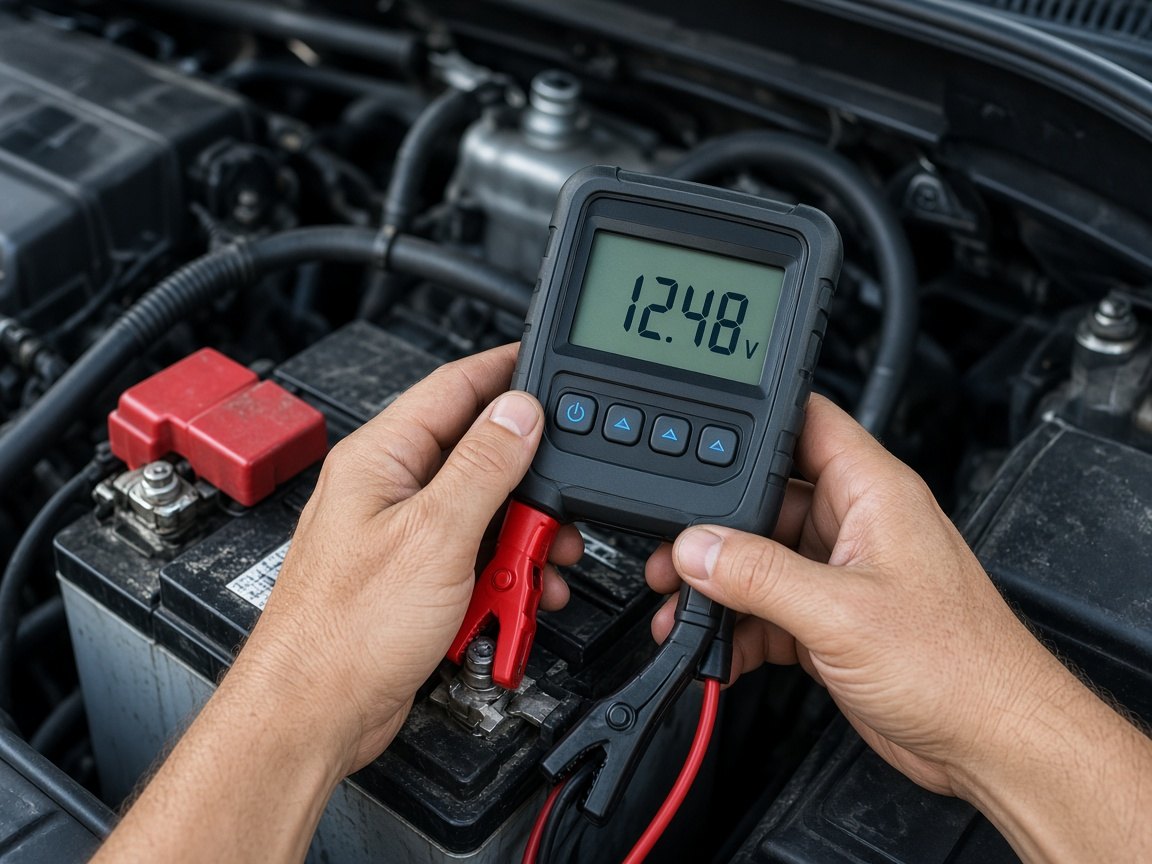
Method 1: Date Code on Battery
Most batteries have a date code stamp. Common formats:
- Month/Year format: "09/22" = September 2022
- Alpha-numeric: "A3" = January 2023 (A=Jan, B=Feb, 3=2023)
- Julian date: More complex - consult manufacturer
Method 2: Service Records
Check your vehicle service history for battery installation date.
Method 3: Professional Testing
Most garages and auto parts stores offer free battery testing that indicates health and remaining life.
How to Maximize Battery Life
Driving Tips
- Drive at least 20 minutes weekly to maintain charge
- Combine short trips into longer drives when possible
- Avoid excessive idling with electrical accessories on
- Turn off lights, radio, AC before turning off engine
Maintenance Tips
- Clean terminals every 6 months to prevent corrosion
- Ensure connections are tight and secure
- Check battery fluid level if not maintenance-free
- Have alternator tested during annual service
- Use battery maintainer for vehicles stored long-term
Storage Tips
- Park in garage during extreme weather when possible
- Use battery tender/maintainer if not driving for 2+ weeks
- Disconnect negative terminal if storing 1+ months
- Fully charge before long-term storage
When to Replace Your Battery
Replace Your Battery If:
- ✅ Battery is 4+ years old
- ✅ Slow cranking when starting
- ✅ Dashboard battery light appears
- ✅ Swollen or bloated case
- ✅ Frequent jump starts needed
- ✅ Electrical issues (dim lights, power windows slow)
- ✅ Failed load test
- ✅ Visible damage or leaks
- ✅ Heavy corrosion on terminals
Battery Life FAQ
Q: Can a car battery last 10 years?
A: While theoretically possible with premium AGM batteries in ideal conditions, it's extremely rare. Most batteries deteriorate significantly after 5-7 years.
Q: Do expensive batteries last longer?
A: Yes, premium batteries typically last 1-2 years longer than budget options and perform better in extreme conditions.
Q: Does a car battery charge while idling?
A: Yes, but very slowly. It's better to drive at normal speeds for proper charging.
Q: How long can a car sit before the battery dies?
A: A healthy battery can sit 2-4 weeks. Older batteries or those with parasitic drain may die within days.
Battery Problems?
Whether you need an emergency jump start or professional battery testing, our 24/7 service is here to help. We'll advise honestly whether you need a jump or replacement.