
Why Does a Car Battery Go Flat in Cold Weather?
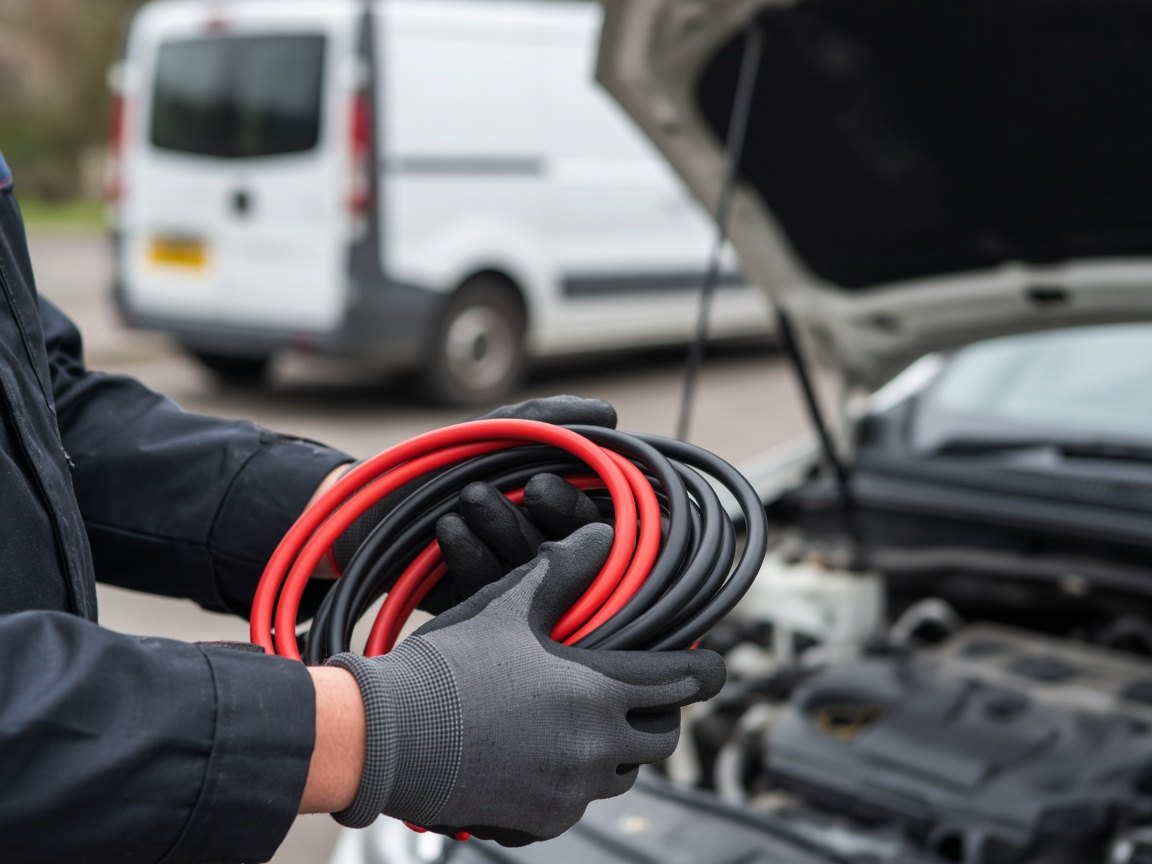
A car battery goes flat in cold weather because the chemical reaction inside a lead-acid battery slows down, so it delivers less cranking power, while cold oil makes the engine harder to turn. GS Yuasa notes cranking power can drop by about 30% at 0°C versus 20°C. The RAC sees a winter spike in battery call-outs for exactly this reason. A battery that was “fine” in September often fails on the first frost.
- Answer
- A car battery goes flat in cold weather because the chemical reaction inside a lead-acid battery slows down, so it delivers less cranking power, while cold oil makes the engine harder to turn.
- Service
- Jump Any Car 24/7 jump start, London and UK. Call 0333 567 1948.
- Typical call-out
- £70–£150 published range. Confirm when you call.
- Not 999
- We are a jump start provider, not the emergency services.
Why does a car battery go flat in cold weather?
Two things happen together. The battery can give less current. The engine demands more. Heaters, rear screens, and heated seats then add load the moment you start. A marginal battery that still managed summer short trips runs out of cranking amps on a January morning.
Cold does not usually “kill” a healthy, fully charged battery overnight. It exposes one that is already sulphated, aged, or left partly discharged by short journeys.
Can a flat battery freeze?
A fully charged battery’s electrolyte freezes at extreme temperatures you will not see in most of the UK. A discharged battery can freeze near 0°C. Freezing can crack the case and warp the plates. Do not jump a battery you suspect is frozen. Let it thaw in a safe place and replace it.
What to do on a frosty no-start
- Switch off lights, blowers, and heated screens before you try to start
- Try once or twice, not a long grind
- If it clicks or turns slowly, you need a jump start or a pack — not more cranking
- After a successful start, drive 30 minutes; do not stop at the end of the street
- Get the battery tested. Winter no-starts repeat
Prevention that actually helps
Take a longer drive at least weekly. Keep terminals clean. Replace a battery that is over four or five years old before winter rather than after the first frost. A lithium jump pack in the boot is useful, but it is not a substitute for a battery that has reached the end of its life.
Winter mornings are our busiest hours. Jump Any Car runs 24/7 jump starts across London and the UK with no membership. Typical published call-out £70–£150, confirm on 0333 567 1948. If you are on a live carriageway and in danger, call 999 first.
Frequently asked questions
Why does a car battery go flat in cold weather?
Does cold weather permanently damage a battery?
Why did my car start yesterday and not this morning?
Should I replace the battery after a winter jump start?
Need a jump start now?
24/7 pay-per-use call-out across London and the UK. Typical response around 30 minutes. No membership. Typical published price £70–£150 — confirm when you call.
Related guides
- → How long does a car battery last?
- → Signs your car battery is dying
- → How long should I drive after a jump start?
Sources consulted for this guide include RAC Drive, the AA, Which?, Honest John, and GS Yuasa’s UK winter battery notes. Follow your vehicle handbook if it differs. Jump Any Car, 128 City Road, London EC1V 2NX.